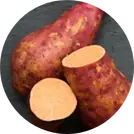
さつまいもの皮sweet potato skin地瓜皮
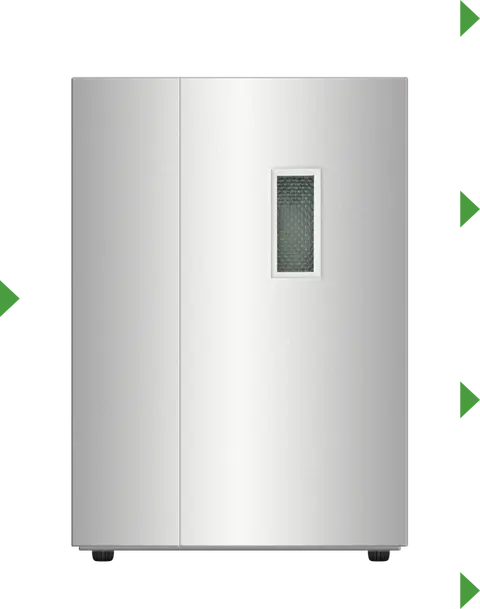
乾燥技術乾燥技術干燥技术

当社が独自に開発した、DRY-ACT 高速乾燥システム。DRY-ACT high-speed drying system independently developed by our company.本公司自主研發的 DRY-ACT 高速乾燥系統
さつまいもの皮sweet potato skin地瓜皮
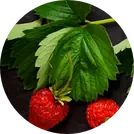
いちごの廃棄される葉strawberry leaves to be discarded被廢棄的草莓葉
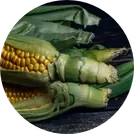
トウモロコシの廃棄される外側Discarded corn skin and trunk被廢棄的玉米外皮與玉米梗
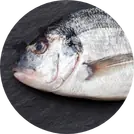
廃棄される魚の粗Raw fish to be discarded被廢棄的魚類下腳料

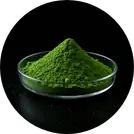
アントシアニンAnthocyanin花青素
ブルーベリーの3倍3 times more blueberries為藍莓的3倍
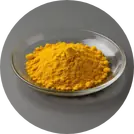
アグリモニインAgrimoniin仙鶴草單寧
緑茶カテキンの21倍21 times more than green tea為綠茶兒茶素的21倍
ビタミンB群 ・食物繊維B vitamins and dietary fiber維生素B群・膳食纖維
イモ類の4倍4 times more than potatoes為薯類的4倍
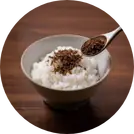
高級ふりかけLuxury Furikake高級拌飯香鬆
DRY-ACTの特長Key Features of DRY-ACTDRY-ACT 的特點
当社が独自に開発した輻射熱触媒「ACT-CELA」を用い、これまでにない強力な輻射熱を実現。DRY-ACT is powered by ACT-CELA, a proprietary radiant heat catalyst developed by ACT DESIGN,delivering an unprecedented level of radiant heat performance.DRY-ACT 採用 ACT DESIGN 自主研發的輻射熱觸媒「ACT-CELA」, 實現前所未有的高效輻射熱性能。
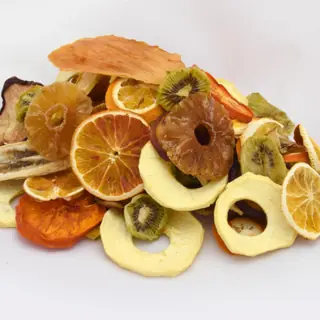
ACT-Ceraが発する遠赤外線(微弱振動)が野菜や果物などの水分(自由水・結合水)を微粒子化し、乾燥スピードを飛躍的に向上。The far-infrared radiation (micro-vibrational energy) emitted by ACT-CELA directly acts on the moisture within vegetables and fruits—both free water and bound water— micronizing the water molecules and dramatically accelerating the drying process while reducing energy consumption.ACT-CELA 所釋放的遠紅外線(微弱振動能量),可直接作用於蔬果等材料中的自由水與結合水,使水分子微粒化,大幅提升乾燥速度,同時降低能源消耗。
負電荷を帯びた空気と水蒸気が熱を効率よく素材に伝え、従来の正電荷環境での乾燥に比べ、品質とスピードの両立を実現。Negatively charged air and water vapor efficiently transfer heat to the material, creating a drying environment that surpasses conventional positively charged systems. This mechanism enables both high product quality and fast processing speed to be achieved simultaneously.帶有負電荷的空氣與水蒸氣,能將熱能高效傳遞至材料內部,相較於傳統正電荷環境的乾燥方式,此機制可同時實現高品質與高速處理的乾燥效果。
主に対流熱・放射熱を用いて水分を蒸発させる Moisture is evaporated mainly through convective heat and radiant heat. 主要透過對流熱與輻射熱使水分蒸發。
特殊な電荷制御と熱伝達技術により効率的に水分へ熱を届ける Specialized charge control and heat transfer technology efficiently delivers heat directly to moisture. 透過特殊的電荷控制與熱傳導技術,將熱能高效傳遞至水分。
正電荷環境により水分への熱進達が阻害されやすい In positively charged environments, heat transfer to moisture tends to be inhibited. 在正電荷環境下,熱能較容易被阻礙,難以有效傳遞至水分。
電荷環境を最適化し、熱をダイレクトに水分へ伝達可能 By optimizing the charge environment, heat can be transferred directly to moisture. 透過最佳化電荷環境,可將熱能直接傳遞至水分。
一部の水分が残りやすく、時間がかかる場合も Some moisture tends to remain, and drying may require extended time. 部分水分容易殘留,乾燥時間可能較長。
短時間で均一かつ高効率な乾燥が可能 Enables uniform and highly efficient drying in a short time. 可在短時間內實現均勻且高效率的乾燥。
乾燥ムラが発生しやすく、品質にばらつきが出やすい Uneven drying is likely to occur, leading to inconsistent quality. 容易產生乾燥不均,導致品質不穩定。
ムラのない均一な乾燥で品質を安定化 Uniform drying without inconsistencies stabilizes product quality. 透過均勻無落差的乾燥,使品質保持穩定。
非効率な熱利用により、消費エネルギーが大きい Inefficient heat utilization results in higher energy consumption. 由於熱能利用效率低,能源消耗較高。
必要な部分に集中的に熱を与えるため、省エネルギー Heat is applied only where needed, achieving energy-efficient operation. 將熱能集中作用於必要部位,實現節能效果。
過熱や表面の劣化が生じることがある Overheating and surface degradation may occur. 可能產生過熱或表面劣化的情況。
低ストレスで対象物へのダメージを抑える Low-stress processing minimizes damage to materials. 以低負荷方式處理,有效降低對材料的損傷。
私たちが直面している世界的な課題のひとつが、食品ロスと食料不足です。
日本では年間約570万トンもの食品が廃棄されており、これは国民一人あたり、毎日おにぎり1個分以上の食品を捨てている計算になります。
一方、世界では約4,200万トン規模の食糧支援が行われるなど、深刻な食料不足に直面している地域が今も数多く存在しています。
さらに日本の食品自給率は38%と、6割以上を輸入に依存しています。
食料を海外に頼りながら、大量の食品を廃棄している現実には、大きな矛盾があると言わざるを得ません。
こうした社会課題に対し、私たちは「アップサイクル」という考え方で挑みます。
食品残渣を単なる廃棄物として処理するのではなく、乾燥・殺菌・粉末化することで、再び“価値ある食品資源”として循環させる。
アップサイクル技術と乾燥システムを軸に、持続可能な食と環境の未来を、世界とともに切り拓いていきます。
One of the major global challenges we face today is food loss and food insecurity.
In Japan alone, approximately 5.7 million tons of food are discarded every year,equivalent to more than one rice ball per person per day.
Meanwhile, around the world, approximately 42 million tons of food aid are distributed annually,and many regions continue to suffer from severe food shortages.
Japan’s food self-sufficiency rate stands at just 38%, meaning that more than 60% of its food supply depends on imports.
Relying on food from overseas while discarding large volumes domestically represents a profound contradiction.
To address these social challenges, we adopt the concept of upcycling.
Rather than treating food by-products as waste,we dry, sterilize, and pulverize them, returning them to circulation as valuable food resources.
By combining upcycling technologies with advanced drying systems,we aim to work together with the global community to open pathways toward a sustainable future for food and the environment.
當今世界所面臨的重要課題之一,便是食品浪費與糧食不足。
僅在日本,每年就有約 570 萬噸食品被廢棄,相當於每人每天丟棄 一顆以上的飯糰。
另一方面,全球每年仍需提供約 4,200 萬噸規模的糧食援助,至今仍有許多地區正面臨嚴重的糧食短缺問題。
此外,日本的食品自給率僅為 38%,超過六成的食品依賴進口。
在仰賴海外糧食供應的同時,卻大量浪費食品,這樣的現實無疑存在著巨大的矛盾。
面對這些社會課題,我們以**「升級再造(Upcycling)」**的理念積極回應。
我們不將食品殘渣視為單純的廢棄物,而是透過乾燥、殺菌與粉末化處理,使其再次作為具價值的食品資源循環利用。
以升級再造技術與乾燥系統為核心,我們希望與世界攜手,共同開創永續的食與環境未來。
各種お問い合わせはこちらのフォームをご利用ください